
 admin

Understanding the Inca Trail
Part of the vast Qhapaq Ñan network of Inca roads, the Inca Trail was a sacred pilgrimage route to the mystical citadel of Machu Picchu. Walking it today is to retrace the steps of Inca royalty and messengers through breathtaking Andean landscapes, culminating in an unforgettable arrival through the Sun Gate.
Why Trek It?
Unlike any alternative, this route combines breathtaking archaeology and diverse landscapes, revealing ruins inaccessible by road.
Difficulty & Duration
A challenging 4-day, 26-mile (42km) hike, reaching a maximum elevation of 13,800 ft (4,215m). Demanding, but deeply rewarding.
Permits and Regulations
Access to the Inca Trail is strictly controlled to preserve its beauty and historical integrity. Only 500 permits are issued per day (including guides and porters), so booking 6–8 months in advance is essential. Expect costs to range from $400–$700, covering permits, certified guides, meals, and camping equipment. Remember, solo trekking is not permitted.
Book Your Inca Trail Adventure
Secure your spot on this once-in-a-lifetime trek. Find certified operators and book your accommodation in Cusco.
- Find Inca Trail Tours
- Stays in Cusco
Affiliate links. See our disclosure.
Preparing for the Inca Trail
Success on the trail hinges on preparation. Start a training plan 3 months prior, focusing on cardio and stair workouts. A month before, incorporate hikes with a weighted pack. Most importantly, spend 2–3 days acclimating in Cusco to prevent altitude sickness (soroche). Listen to your body, drink plenty of water and coca tea, and eat light, high-carb meals.
Gear Must-Haves:
- Waterproof hiking boots (broken-in!)
- Four-season sleeping bag
- Trekking poles
- Layered clothing (fleece, rain shell)
- Refillable water bottles with a filter
- Headlamp and a reliable power bank
The Route: Sun Gate to Machu Picchu
Each day on the trail offers a unique blend of challenge and discovery, from serene valleys to cloud-shrouded ruins.
- Day 1 (Km 82 → Wayllabamba): A gentle introduction, passing the impressive ruins of Llactapata before camping in a quiet Andean valley.
- Day 2 (Wayllabamba → Pacaymayo): The ultimate test. Conquer the infamous Dead Woman’s Pass (Warmiwañusqa) at 13,800 ft.
- Day 3 (Pacaymayo → Wiñay Wayna): A day of archaeology, exploring Runkurakay, Sayacmarca, and Phuyupatamarca as you descend into the cloud forest.
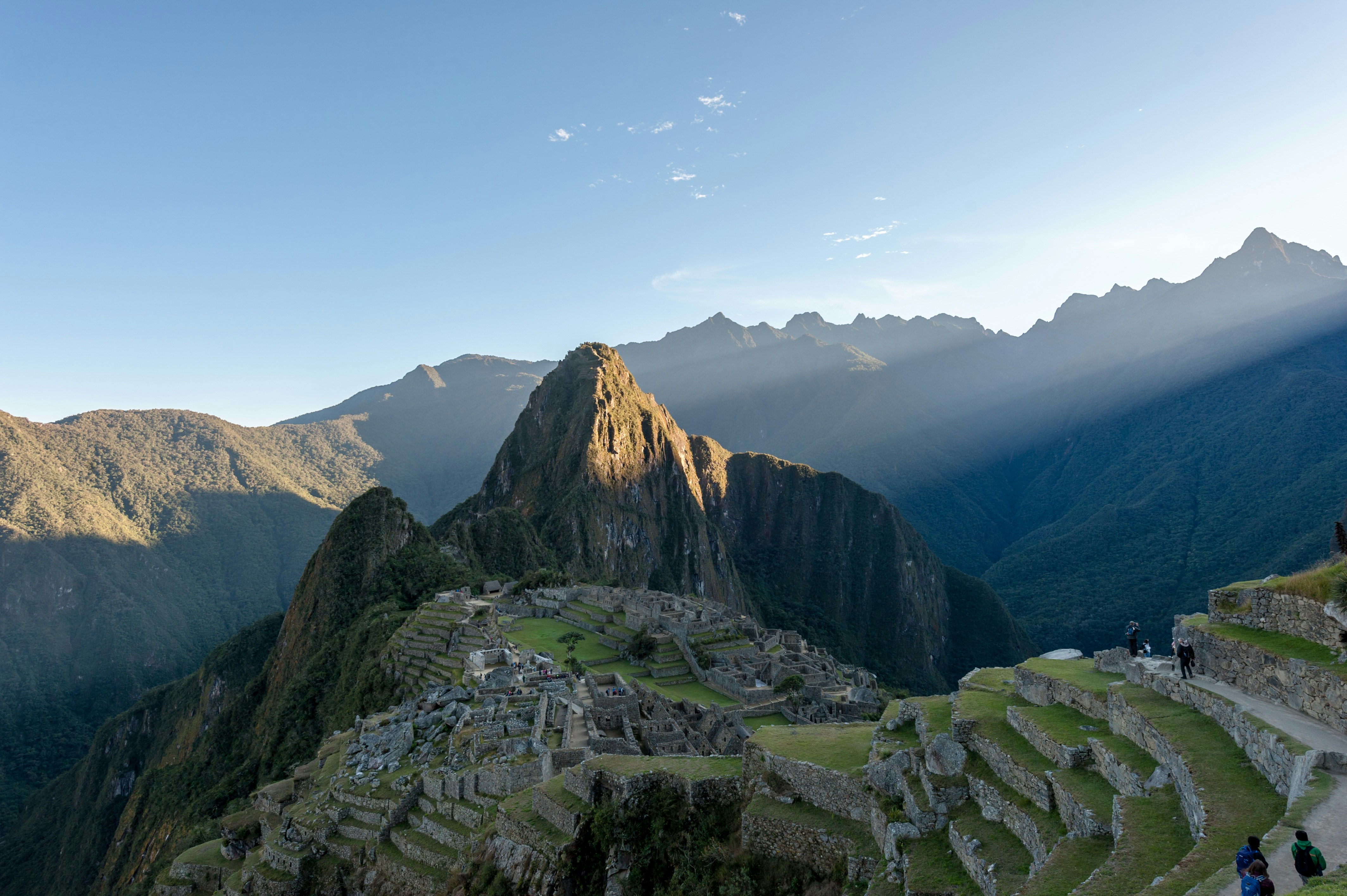
- Day 4 (Wiñay Wayna → Sun Gate → Machu Picchu): An early start to reach the Sun Gate (Inti Punku) for a breathtaking sunrise reveal of Machu Picchu.
Arriving at Machu Picchu
Entering through the Sun Gate as the first rays of light hit the ancient stones is a moment that will stay with you forever. After soaking in the view, you’ll descend into the citadel for a guided tour of the Sacred Plaza, Temple of the Sun, and ingenious agricultural terraces. For even more epic views, consider booking a permit for the steep climb up Huayna Picchu or the less-crowded Machu Picchu Mountain.
Practical Extras: Checklists & Timelines
Inca Trail Packing Checklist 🧳
Essentials include your passport, daypack, trekking poles, water bottles, and snacks. For clothing, focus on layers: quick-dry pants, moisture-wicking shirts, a warm fleece, and a waterproof shell. Don’t forget a hat, gloves, sunscreen, and a first-aid kit with blister treatment!
Planning Timeline ⏳
- 8–10 months before: Reserve your tour and permits.
- 6 months before: Begin your training plan.
- 3 months before: Purchase or rent your gear.
- 1 week before: Pack and confirm logistics.
- 2–3 days before: Arrive in Cusco to acclimate.